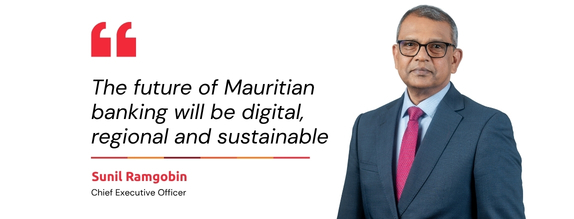
1. What key dynamics and structural shifts are likely to shape the local banking sector in 2026, and how could these transformations affect business models, client relationships and risk management within banks?
By 2026, the Mauritian banking sector will be characterised by an accelerated pace of digital transformation, driven by artificial intelligence, enhanced cybersecurity requirements and innovations such as the eRupee. The adoption of the ISO 20022 messaging standard will further standardise payments while enabling richer data sets for compliance and value-added services, requiring significant investments in core IT systems.
Stricter regulatory requirements, particularly with the implementation of Basel IRRBB, will pressure margins and demand more granular management of interest rate risk. At the same time, sector consolidation and regional expansion, especially towards Africa and the Middle East, will unlock economies of scale and new cross-border opportunities.
Branch networks will continue to evolve towards “phygital” models that combine personalised advisory services with seamless digital delivery. Collectively, these shifts require banks to strengthen their data architectures and risk management frameworks to support real-time analytics and operational resilience. Institutions that successfully integrate AI responsibly, invest in robust cyber defences and modernise their data platforms will be best positioned to protect profitability and customer trust in an increasingly volatile environment.
2. Despite the strong fundamentals of the Mauritian banking sector, high capitalisation, comfortable liquidity and proven operational resilience, what emerging risks could test this robustness, and how might they impact sector stability and performance?
While the Mauritian banking sector continues to benefit from solid fundamentals, including strong capital buffers, ample liquidity and demonstrated operational resilience, it is facing a new generation of risks. Cyber threats and card-related fraud have become major concerns, with potentially significant financial and reputational consequences. Operational incidents, in turn, can heighten risk exposure and undermine customer confidence.
Externally, macroeconomic shocks and imported inflation may compress margins and place pressure on capital adequacy. The transition to ISO 20022 also entails interoperability and service disruption risks, highlighting the need for robust contingency planning. In parallel, enhanced AML/CFT oversight requires more effective controls and stronger data governance.
Climate-related risks and extreme weather events present additional challenges, potentially increasing risk-weighted assets and provisioning requirements. Preserving sector stability will therefore depend on sustained investment in cyber resilience, operational agility and advanced, forward-looking risk management frameworks.
3. Where do you see the most promising growth opportunities for Mauritian banks today? Is international expansion becoming a necessary step to sustain development?
Mauritian banks have access to several compelling growth levers. Corporate and investment banking, particularly offshore finance and trade finance linked to Africa and the Middle East, offers significant potential. Private banking and wealth management provide avenues to grow assets under management while diversifying revenue streams.
Digital payments represent another opportunity, enabling banks to monetise the continued rise in electronic transactions. Sustainable finance, through green lending and initiatives linked to the blue economy, aligns closely with global ESG trends and offers a strong point of differentiation for local players.
To sustain growth and diversify income sources, international expansion is increasingly essential. A regional footprint allows banks to tap into new markets while strengthening their resilience against domestic risks. Institutions that successfully combine cross-border strategies, digital innovation and ESG-led offerings will be best placed to capture growth and reinforce long-term stability.
4. As a small island state particularly exposed to climate change, how can banks strengthen and expand their contribution to the transition towards a more sustainable economy?
In an island economy highly exposed to climate risks, Mauritian banks have a critical role to play in accelerating the transition to a more sustainable economic model. Integrating climate risk into enterprise risk management and capital planning enhances banks’ ability to anticipate and mitigate environmental vulnerabilities.
The development of green and blue financial products, anchored in clear taxonomies and robust impact reporting, helps establish credible funding channels for sustainable projects. Blended finance mechanisms can further lower the cost of capital for green initiatives while attracting private and institutional investors.
Responsible digitalisation also contributes by reducing operational footprints and supporting broader ESG commitments. In parallel, banks can actively encourage and support clients in adopting sustainable solutions, from energy-efficient housing to environmentally responsible business practices. By combining risk integration, financial innovation and client engagement, banks can strengthen climate resilience while unlocking new growth opportunities.
5. In your view, what principles, governance mechanisms and cooperation frameworks should underpin collaboration between banks, regulators and government to foster financial innovation while durably strengthening system-wide stability?
Promoting financial innovation requires a proportionate, risk-based regulatory approach, particularly through the co-development of guidelines on AI, cybersecurity and central bank digital currencies. Formal trilateral forums involving banks, regulators and government can enhance supervision while improving responsiveness to emerging systemic risks.
Greater sector-wide transparency on cyber threats, combined with joint resilience and stress-testing exercises, would significantly strengthen collective defences. Predictable fiscal frameworks are also essential to safeguard capital buffers and maintain lending capacity, while common standards for sustainable finance can catalyse green investment and align the sector with national climate objectives.
By combining regulatory agility, shared intelligence and harmonised sustainability standards, Mauritius can build a banking ecosystem that is innovative, attractive and resilient over the long term.


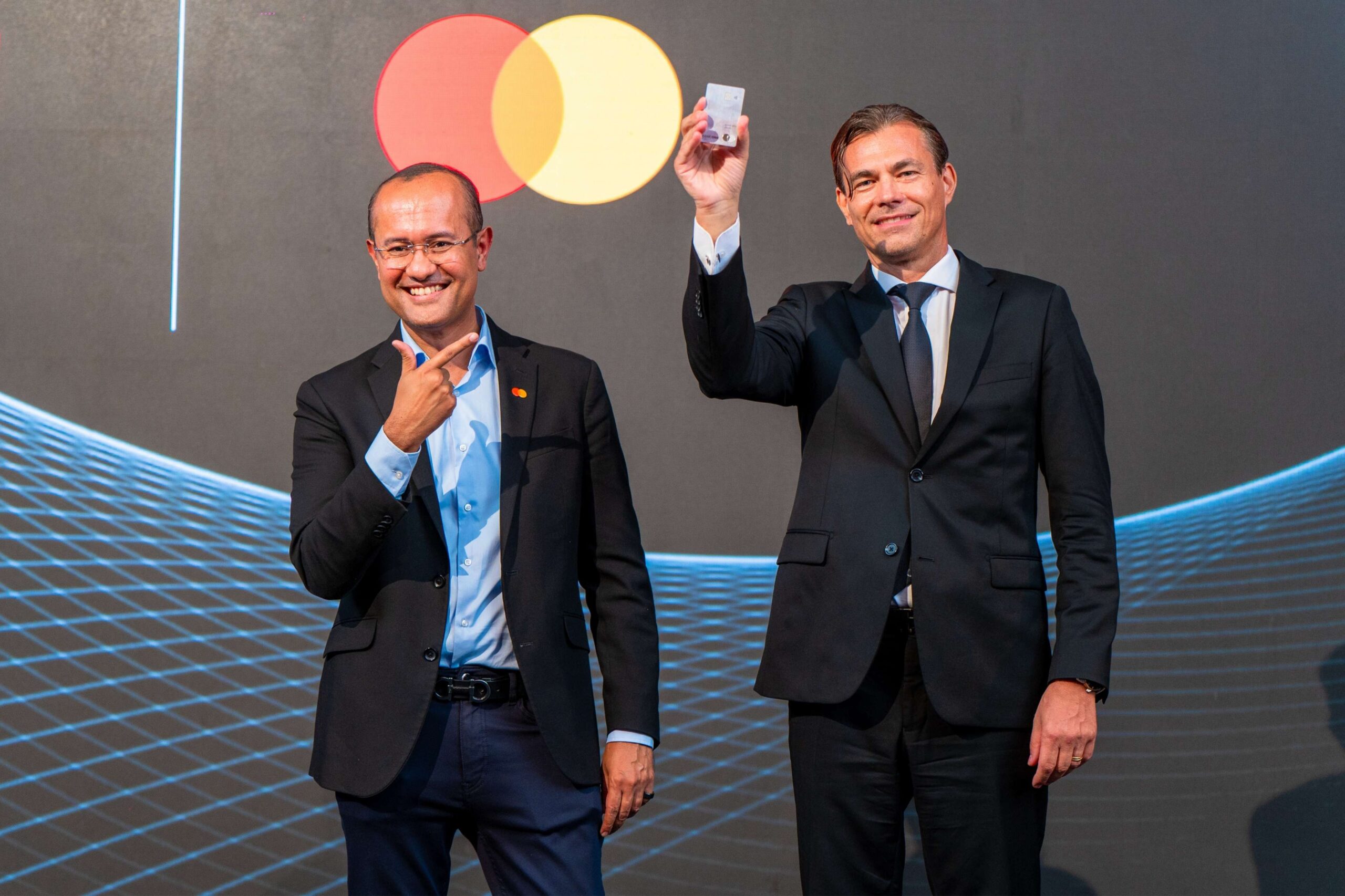 With Mastercard World Elite Metal Card, cardholders enjoy an exceptional suite of global travel, dining, and lifestyle privileges. These include complimentary access to over 1300 airport lounges and 190 fast-track security lanes at over 30 airports worldwide. Lifestyle benefits such as TEN Concierge and Mastercard Gold Program are also included as part of the benefits offered.